

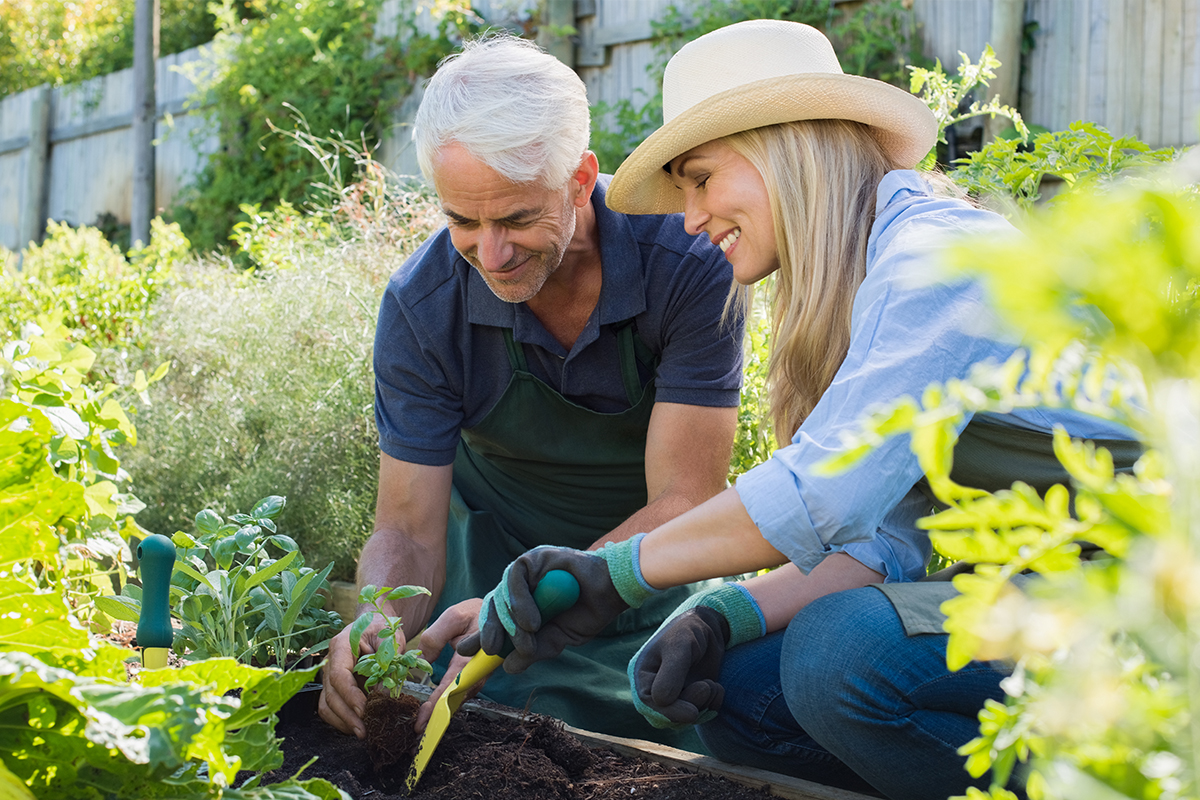
Gardening is a wonderful way for older adults to stay connected to nature, spend time outdoors, and enjoy a hobby. Planting flowers, pulling weeds, watering plants, and caring for a garden all involve movement. However, gardening can also place stress on many parts of the body such as the back, knees, shoulders, and hands, especially when we spend long periods in the same position.
As we get older, being aware of posture and movement can help make gardening more comfortable and enjoyable. The goal is not to maintain a perfect posture at all times, but to avoid staying in one position for too long and to use the body efficiently.
Avoid Prolonged Bending
Bending forward is one of the most common positions used while gardening. Although bending is a normal movement, staying bent over for a long time can cause the back muscles to become tired and uncomfortable.
Whenever possible, use raised garden beds, elevated planters, or long-handled tools to reduce the amount of bending required. If you are working close to the ground, change positions regularly between kneeling, sitting, and standing.
Lift Carefully
Bags of soil, plant pots, and watering cans can be really heavy. When lifting, move close to the object, bend through your hips and knees, and keep the load close to your body.
Try to avoid twisting while lifting or carrying. If something feels too heavy or awkward, use a wheelbarrow or garden cart, or ask someone for help.
Take Regular Breaks
It is easy to become so focused on finishing a gardening task that you forget to take a break. However, regular breaks can help reduce muscle fatigue.
Break larger gardening jobs into smaller tasks and change activities throughout the day. Stand up, walk around, gently move your shoulders and back, and give your body a chance to recover.
Listen to Your Body
Some tiredness after gardening is normal, but ongoing or worsening pain should not be ignored. If discomfort persists after you stop gardening or begins to interfere with everyday activities, consider speaking with a healthcare professional.
Gardening should be enjoyable, not something that leaves you struggling with pain afterward. With a little planning, regular movement, and attention to posture, older adults can continue to enjoy their gardens while taking care of their bodies.
Remember: work at a comfortable height, avoid prolonged bending, lift carefully, take breaks, and listen to your body. Small changes can make a big difference in making gardening safer and more enjoyable.